How Do I Choose a Work Bag That Fits My Frame?
Choosing a work bag is more than just picking a stylish accessory—it's about finding something that fits your daily needs, complements your body frame, and aligns with your office dress code. I've witnessed firsthand how often people end up carrying oversized totes that swallow petite frames or, conversely, tiny bags that can't fit a laptop, all because they chose purely based on a photo or trend.
Whether you're looking for a petite work bag or an oversized tote, this guide will walk you through evaluating your daily carry, assessing proportion via mirror checks, testing bag construction physically, and decoding what different bag styles signal in a professional environment.
Start With Your Real Daily Carry List
Before you browse any brand websites or drop into stores, make a simple yet comprehensive list of what you actually carry to work every day. This might sound obvious, but trust me—people often underestimate what they pack or fall for marketing that makes "fits a tablet" sound like "fits a laptop."
My Must-Have Daily Carry Example
- 13-inch laptop (mine measures exactly 12.8” W x 9.0” H x 0.7” D)
- Charger and tech accessories (mouse, cables)
- Wallet (medium size leather)\
- Phone + earbuds
- Notebook + pen
- Sunglasses in hard case
- Reusable water bottle (small)
- A light sweater or scarf (season dependent)
- Snacks or small lunch item
Whether you find inspiration browsing collections on Von Baer or another label, keep this list at hand. Many brands use the phrase "laptop friendly"—but if that doesn't include a padded compartment or a sleeve, it won't protect your computer or keep it separate from, say, your cashmere sweater.
Dress Code Sets the Ceiling for Bag Choice
Next, align your bag choice with your office dress code—this is important because it sets an invisible ceiling on what’s appropriate or practical.

- Formal/Traditional Corporate: Structured bags like briefcases or neat, leather messenger bags tend to convey professionalism. A sleek leather tote can work if well-made and minimal.
- Business Casual: There's latitude for backpacks or soft totes, but still aim for quality materials like genuine leather or durable canvas.
- Creative/Startup: This environment affords casual backpacks, oversized totes, and even eye-catching patterns, as long as they function well.
Each type sends a signal—briefcases say "I mean business," messenger bags hint at a blend of casual and professional, totes reflect a practical approach, and backpacks often project a youthful or tech-focused vibe.
Bag Style Signals Explained: Briefcase vs. Messenger vs. Tote vs. Backpack
Your choice here is both about your body and the message you want to send.
Bag Type Typical Features Body Frames Best Suited Signals Conveyed Briefcase Structured, top handle, padded laptop compartment Medium to tall, fits on hip, not overpowering on petite frames when slim Professional, authoritative, classic Messenger Bag Soft or semi-structured, crossbody strap, usually leather or canvas All frames; petite frames should seek smaller or narrower versions to avoid bulk Modern, casual yet professional, commuter-friendly Tote Open top or zippered, roomy, no crossbody strap Varies—oversized totes can overwhelm petite; choose medium-size or compact versions Practical, womanly, sometimes casual or refined depending on material Backpack Dual straps, often padded laptop compartment All, but petite frames should avoid bulky or oversized backpacks that swamp their silhouette Youthful, casual, tech-savvyMirror Proportion Check: The Step Most People Skip
After narrowing your style and style signal, take your contenders to a mirror test, either in-store or at home if you ordered online but can return. This low-tech step is vital but often missed. You don't want to carry a bag that drowns your frame or looks like a mere toy.
- Stand upright, arms relaxed.
- Hold the bag as you would normally carry it (by hand, over shoulder, crossbody).
- Assess the size of the bag relative to your torso. For petite frames, a petite work bag should not extend beyond your natural shoulder line or hang too low past your waist. Oversized totes are usually too bulky.
- Note bag width vs. shoulder width—if the bag is wider than your shoulders, it will look unbalanced.
Consider performing this mirror proportion check in front of natural light or a full-length mirror large enough to see the entire silhouette. This will give you immediate feedback that no photograph can provide.
In-Store Walk Test With Laptop-Sized Weight
Once you've done your mirror check and stellaswardrobe.com have a few options, grab a weight approximately the size and heft of your laptop (or better yet, bring your actual laptop if the store allows). Slip it into the bag's designated compartment or main body, strap it up, and walk a few laps around the store or your home.
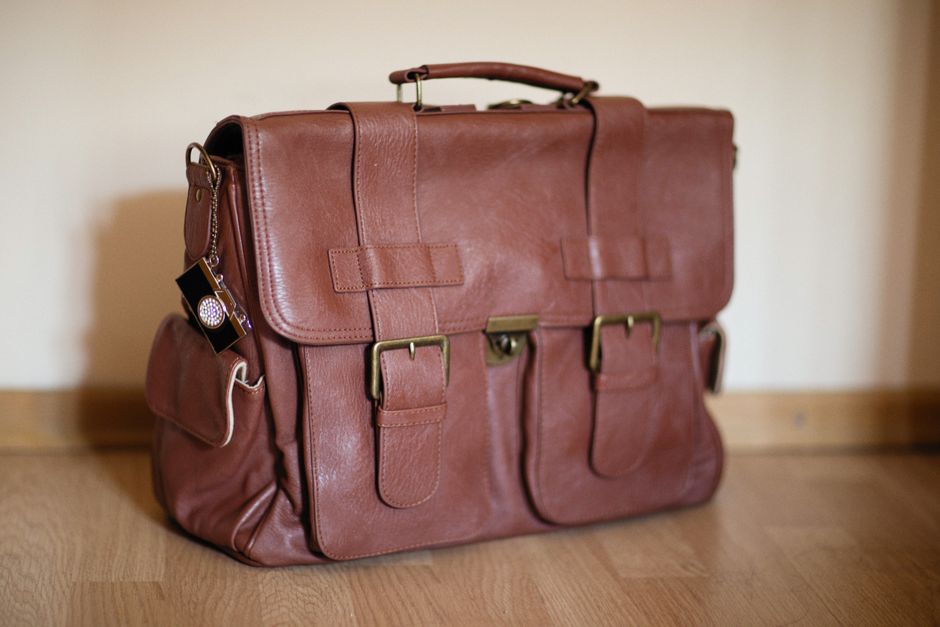
This test will tell you a lot about:
- Comfort: Does the bag dig into your shoulder or hand?
- Weight Distribution: Is the bag balanced or heavy on one side?
- Construction: Are the straps securely attached? Does the zipper glide smoothly? (Remember, always test zippers twice.)
- Capacity: Does the bag hold your laptop plus chargers and daily essentials without bulging?
You want a bag that feels like a practical extension of your body, not a burden.
Construction Checks You Can Do In Hand
The devil is in the details when it comes to construction. Bags might look flawless online or on store shelves, but applying some hands-on tests can reveal hidden issues:
- Handles and Straps: Are they stitched and riveted, or just glued on? Glued-only handles often split quickly under daily strain—avoid them.
- Zippers: Zip and unzip several times—look for snags or resistance. Smooth, sturdy zippers last longer and protect your contents.
- Material: If leather, check for genuine texture and durability—libraries like Wikipedia's Leather page offer great info on types and uses. Faux leather can look great but varies wildly in quality.
- Interior Features: Does the laptop compartment have padding or a separate sleeve? How many organization pockets are there for your pens, phone, and snacks?
Final Tips: Keep a Folded Tote For Errands
One practical habit I swear by: keep a lightweight, folded tote inside your main bag for those unexpected grocery or lunch runs. It’s a simple hack to avoid the stress of overloading your work bag or damaging expensive materials with food containers.
Conclusion
Choosing a petite work bag or an oversized tote that fits your frame and lifestyle is a blend of honest inventory-taking, respecting your office environment, and using your eyes and hands to test each bag thoroughly.
Remember, no online image replaces the value of a mirror proportion check, an in-store walk test with weight, and a construction audit by hand. Brands like Von Baer offer thoughtfully designed options that balance professional style with practical function, but your needs and frame always come first.
Invest in a bag that looks great, supports your load comfortably, and elevates your workday—not just something you’re settling on because of a tempting sale or one Instagram photo.